Overview: Singing & Voice Lessons
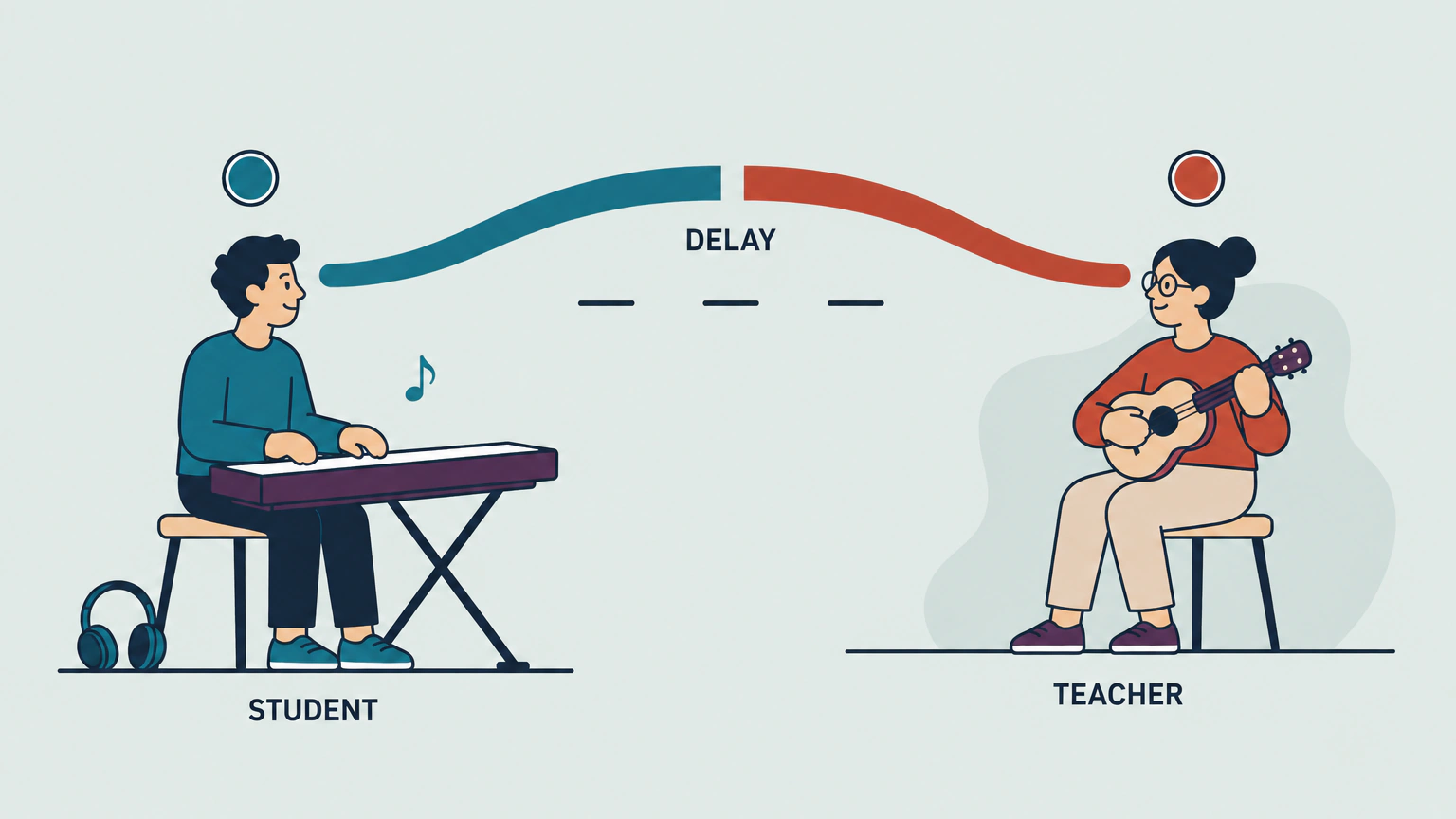
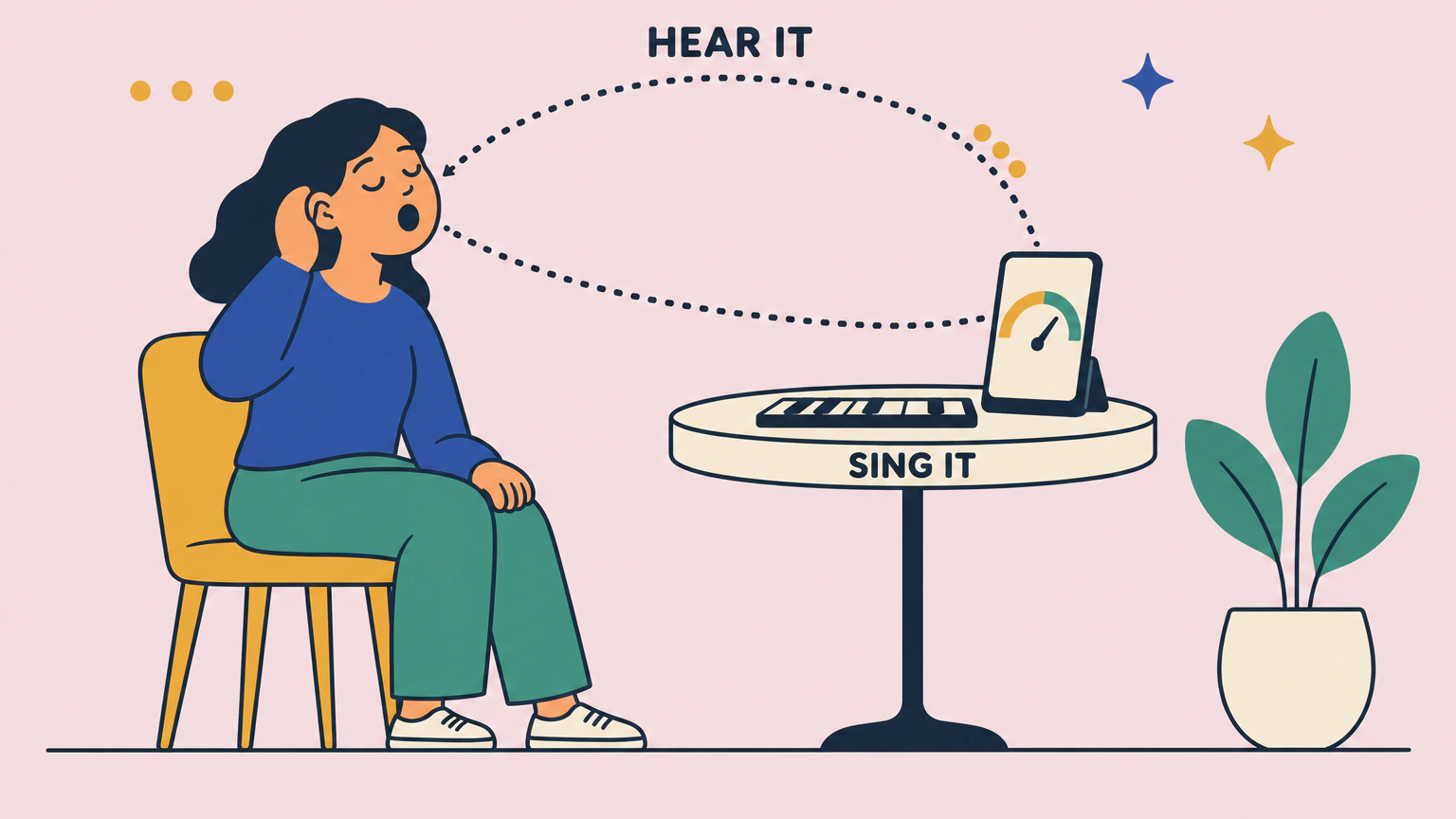
Singing is the one instrument you cannot put back in a case. The teacher hears something you never will from the inside, which is why voice studios ask students to record their lessons and listen back during the week.
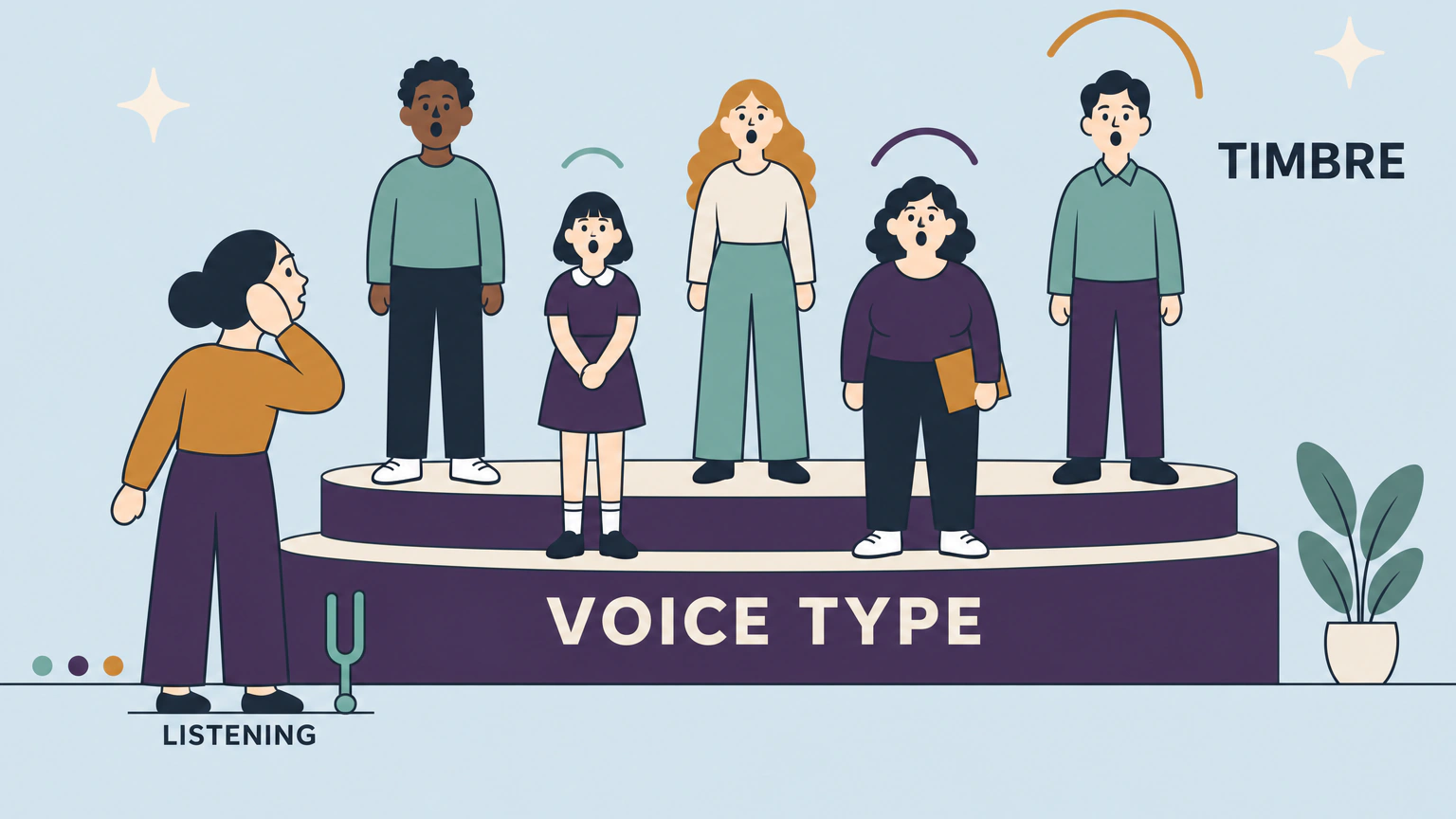
Training splits roughly two ways. Classical work builds a sound that fills a hall with nothing plugged in, through vowels, resonance and a long acquaintance with repertoire. Contemporary and musical theatre teaching deals with belt, mix, riffs, acting a lyric and the microphone in your hand. Most teachers live in one of those worlds and visit the other, so ask which one they came up in before you sign on.
Breath is the foundation and it is thoroughly unglamorous: ribs, support, releasing the jaw and tongue, and warm ups that sound ridiculous to anyone walking past. Young singers need a teacher who works gently with a voice that is still growing, and who will not push for volume or range because a parent is listening at the door.
A hoarse voice that outlasts a cold is a stop sign rather than something to sing through. Choirs and group classes are the cheaper way in, and a fine place to stay. Choose your state, then your city, from the lists further down this page.
Cost of singing and voice lessons
For ongoing singing lessons, compare private tuition and the monthly commitment. For an audition, ask what coaching, accompaniment and recording are included rather than assuming one session delivers a finished submission.
| Option | Estimated cost | What to compare |
|---|---|---|
| 30-minute private tuition | $30–$60 per 30-minute lesson | One student with a teacher at the studio. Enrollment, sheet music and recitals may cost extra.Monthly or term enrollment may be required; confirm the full initial bill. |
| Weekly 30-minute lessons | $150–$240 per monthly payment | One private lesson each teaching week on the school calendar. Monthly payments may spread annual tuition over the year.Confirm teaching weeks, withdrawal notice and required enrollment or materials fees; four lessons are not guaranteed every calendar month. |
| 60-minute private tuition | $60–$115 per 60-minute lesson | One student with a teacher at the studio. Enrollment, sheet music and recitals may cost extra.Monthly or term enrollment may be required; confirm the full initial bill. |
| Audition or song coaching | $60–$150 per 60-minute private session | One singer working on audition material, song interpretation or performance preparation.Accompaniment, studio recording and edited self-tapes may cost extra; confirm the deliverable. |
| Live online private tuition | $60–$115 per 60-minute lesson | One student with a live teacher. A suitable home setup and internet connection are needed.Recurring enrollment may be required; ask whether materials or accompaniment cost extra. |
| Group singing course | Request the complete program price | A complete group course with age range, meeting count, taught minutes and performance requirements specified.Ask about group size, individual feedback, sheet music and any accompaniment or recital charges. |
Plan your total cost
Check what is included
Accompaniment. Ask whether piano accompaniment or backing tracks are included or arranged separately.
Music and recordings. Check sheet music, practice recordings and any paid editing or self-tape work.
Enrollment terms. Confirm the teaching calendar, registration fee and cancellation or withdrawal notice.
What changes the price
Teaching purpose. Regular vocal technique, audition interpretation and recording preparation need different support.
Individual time. Compare the same private lesson duration, or ask how much feedback a group course provides.
Deliverables. A coaching session does not automatically include an accompanist, studio recording or edited video.
Ask before you book
- Does the teacher work with my musical style, experience and goal at this tuition rate?
- What is the monthly or term commitment, and how are holidays and missed lessons handled?
- For an audition, what exactly will I receive and what accompaniment or recording costs are separate?
Ways to save
Agree on the audition material and deliverables before booking extra sessions. For ongoing lessons, compare the same teacher’s payment options and attendance rules before prepaying a long package.
Frequently asked questions
Classical training or contemporary singing lessons?
Pick by the music you want to sing, not by prestige. Classical technique is built to carry over an orchestra unamplified and takes years to settle. Contemporary and theatre training handles belt, mix, style and working with a microphone. Crossing over later is possible and common. A teacher who claims every style is the same instrument is glossing over real differences in how the voice is used.
Is my child too young for voice lessons?
Young children can sing beautifully and should mostly be doing it in groups, games and songs rather than in technical work. A teacher who drills a small child on belting, or pushes for a big adult sound, is doing damage for the sake of a party trick. Look for light repertoire, short focused work and a teacher who talks about play as much as technique.
What about a teenage voice that is changing?
It moves, cracks and loses notes at both ends for a while, and that is ordinary. A teacher who knows this keeps the singer in the comfortable middle, drops keys without making a fuss, and lets the range come back on its own. A teacher who pushes for the old high notes, or tells a teenager to rest entirely, is at one extreme or the other.
Why do lessons spend so long on breathing?
Because everything else sits on it. A phrase that runs out of air gets squeezed from the throat instead, and that is what leaves a singer sore after a rehearsal. Support work is about how the ribs and the middle stay engaged while the air leaves slowly. It is dull to describe and it is the difference between singing and shouting in tune.
When is a hoarse voice a reason to stop?
When hoarseness hangs around after a cold has gone, when the speaking voice tires by the afternoon, or when notes that were easy have quietly disappeared. Rest first. If it does not come back, a teacher should send you to an ear, nose and throat doctor rather than prescribe more warm ups. Singing through a damaged voice is how small problems become long ones.
Is hands-on breathing work normal with a young singer?
Some teachers ask to place a hand on the back or the ribs to show what support feels like. That should be explained first, asked for each time, and never done with a child unless a parent is in the room. Studios teaching minors should say what screening their teachers went through; those requirements differ from one state to another, so the studio is the place to ask.