Overview: Gymnastics Classes
Walk into a gym and notice how much of it a beginner never touches. Vault runway, bars, beam, floor: a first recreational class is mostly floor work, a low beam and a bar set where the child can reach it. The big apparatus comes later. A club that puts a new child on the high bar to impress a parent is telling you something.
Recreational and squad are two different lives. Recreational is a weekly class, a level system the club has borrowed or invented, and a progress card that comes home. Squad means several sessions a week, early mornings, school breaks spent in the gym, and a family calendar that bends around training. Ask what selection involves before anyone is flattered into saying yes.
Watch the ratios. Count the coaches against the children on the floor, and watch who is standing at the beam when a child is on it. Spotting is hands-on by necessity, so the coaching culture matters more here than the equipment does.
This is artistic gymnastics across the apparatus. A child who only wants back handsprings for cheer or dance belongs in a tumbling class instead. Busy clubs run waiting lists, so put a name down early. The state list below leads to city pages with club hours and what local parents wrote.
Frequently asked questions
What happens in a first gymnastics class?
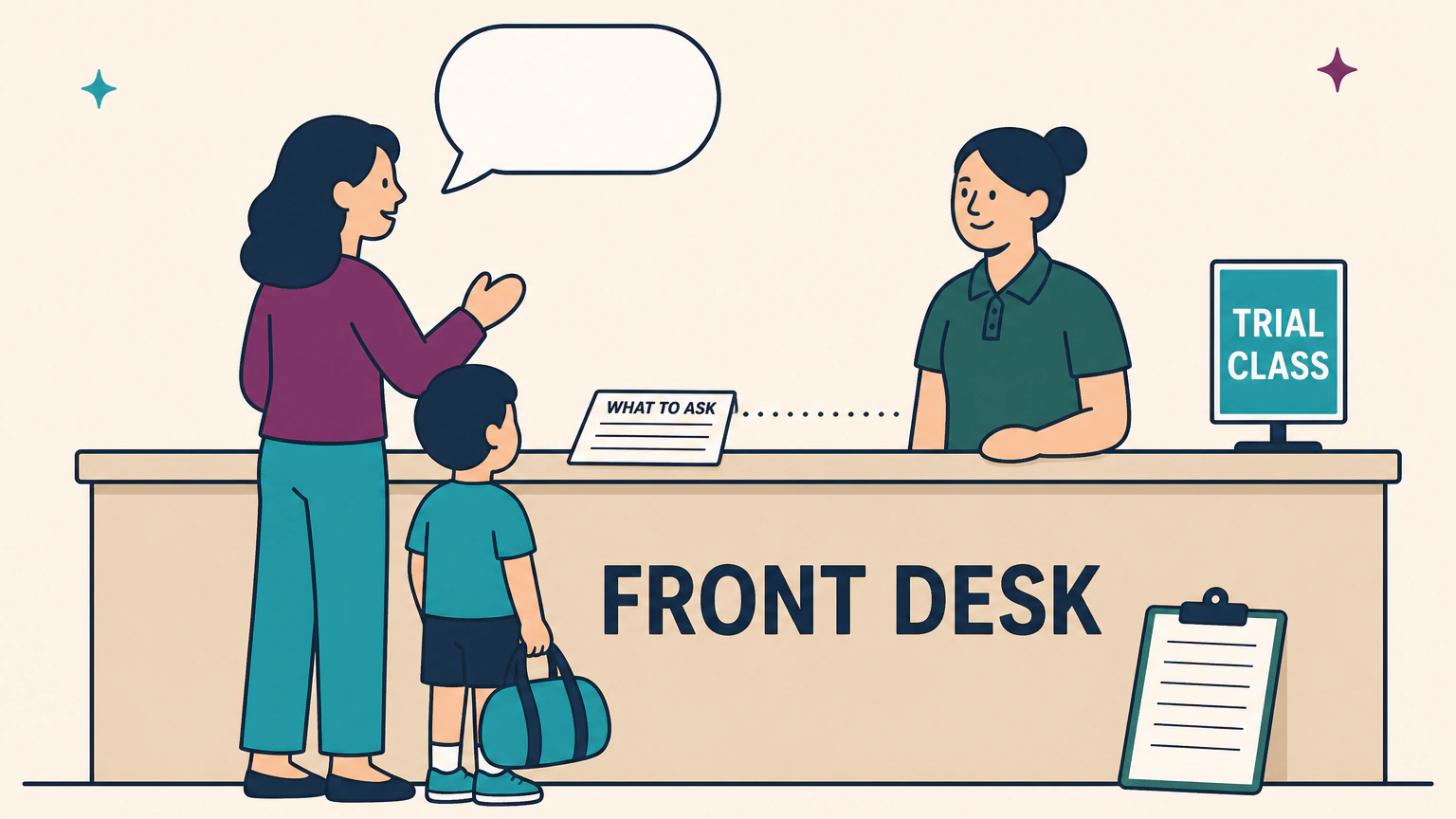
A warm-up, then conditioning that looks like games, then rotations round a few stations. Expect floor shapes, a low beam, bars the child can reach and a run onto a vaulting mat. Nobody goes near the high apparatus. Coaches spend the first weeks finding out what a child can already do, and how brave they are about being upside down.
Recreational class or competitive squad?
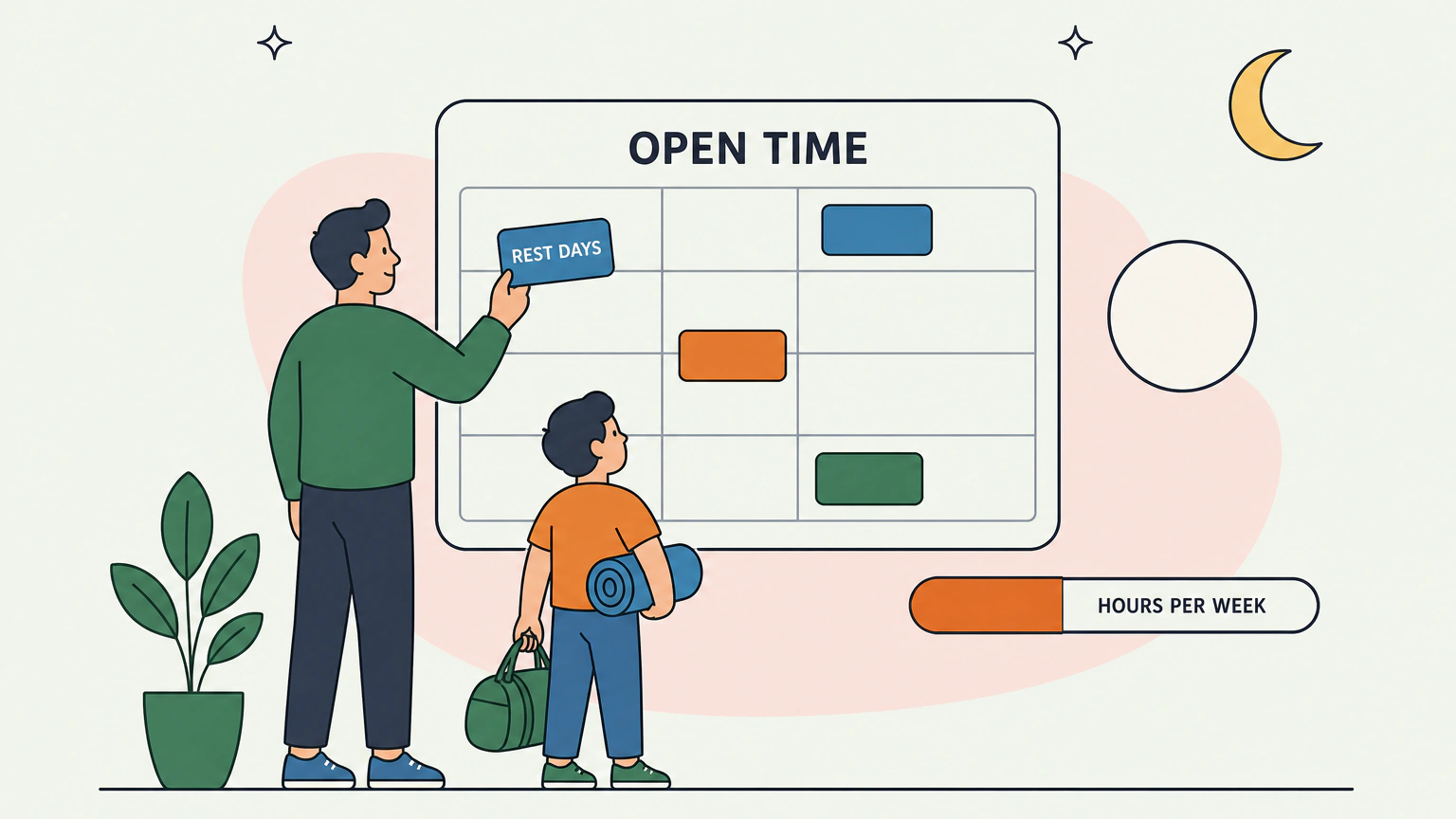
Recreational is one class in the week with a level card and a display at the end of the year. Squad is a different household. Training runs several times a week, often before school, and school breaks disappear into the gym. Ask what the squad timetable looks like, what happens if you miss sessions, and how a child moves back to recreational if it stops being fun.
How do a club's levels actually work?
Every club uses a ladder and the ladders are not the same. Some follow a national program, some run badge schemes, some invent their own. What matters is whether a coach can tell you, in plain words, what your child is working on and what moves them up. A club that says only that they will move up when they are ready is explaining nothing.
What if my child is frightened of an apparatus?
Common, and it is usually the beam. A good coach drops the height, breaks the skill into a piece the child can already do, and lets them earn their way back up. What you do not want is a coach who talks a scared child onto something, or who leaves them sitting out every week. Ask directly how the club handles fear.
Who is allowed to spot my child?
Spotting means a coach's hands on a child's back, hips or legs while a skill is happening, so it cannot be avoided. What can be checked is who does it. Ask which coaches are qualified to spot, whether an assistant is ever alone with a group, and whether parents can watch from the viewing area. Screening for adults working with children is decided state by state.
Is a gymnastics class the same as tumbling?
No. Gymnastics covers the whole set of apparatus, with conditioning underneath all of it. Tumbling is the floor-and-air half taken on its own, which is what cheer and dance athletes usually come for. Some clubs hire their floor out to tumbling groups in the evening, so one building can host both, but the class you book is not the same class.