Overview: Martial Arts Classes
Most people walk into a martial arts gym for a reason they never say out loud. Get fitter. Feel less helpless. Give a restless kid somewhere to put the energy. At that stage the style matters less than the room, so go and watch a class before you sign anything.
Gyms in this category teach striking systems, grappling systems, weapon forms and mixed programs that borrow from several sources. Karate, aikido, tai chi, krav maga, kickboxing and boxing each have their own listing on our site. Use those pages if you already know the art you want. This one is for the choice that comes before that.
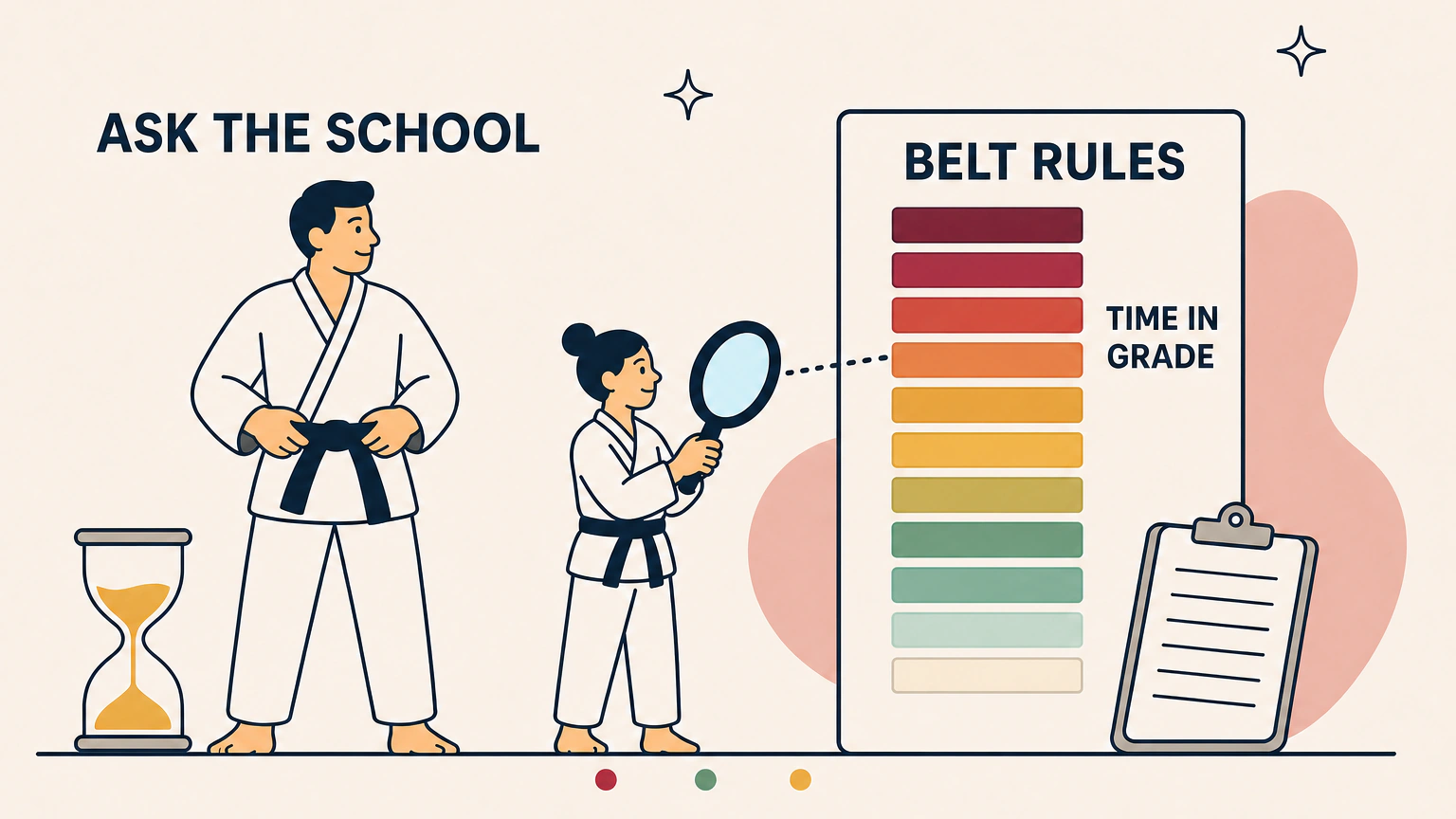
Read the school rather than the website. Find out who runs the beginner class, because the instructor in the photographs is often not the person on the mat that night. Ask how gradings work and who signs them. Ask whether sparring stays optional while you learn to keep your hands up.
Open the state list, then a city, and the gyms listed there appear. Each city page separates the ones inside the city from the ones nearby, and quotes what students wrote in public reviews.
Cost of martial arts classes
Choose a discipline and a realistic weekly schedule before comparing tuition. These formats help families and adults estimate regular training while checking uniforms, enrollment charges and any required contract.
| Option | Estimated cost | What to compare |
|---|---|---|
| Karate group classes | $75–$190 per student per month | Unlimited eligible school-age or adult karate classes at the school’s published schedule.Uniforms, testing and registration may be extra. |
| Teen and adult taekwondo | $85–$160 per month | Two regular classes each week in the appropriate teen or adult group.Check class length, required uniform and grading charges. |
| Children’s Brazilian jiu-jitsu | $75–$200 per child per month | Unlimited attendance in eligible school-age BJJ classes; the number offered varies.Ask whether a gi and an enrollment fee are required. |
| Adult Brazilian jiu-jitsu | $120–$200 per adult per month | Unlimited eligible adult group classes. Check whether gi, no-gi and open mat are all included.The beginner timetable and signup costs can differ from the headline plan. |
| Adult Muay Thai | $95–$235 per adult per month | Unlimited eligible technical striking classes on a monthly plan.Confirm sparring requirements and protective-equipment costs. |
| Private coaching in your chosen art | Ask for the single-session total | One student with an instructor in the discipline, duration and training goal you select.Check whether lessons are available without joining a regular class program. |
Plan your total cost
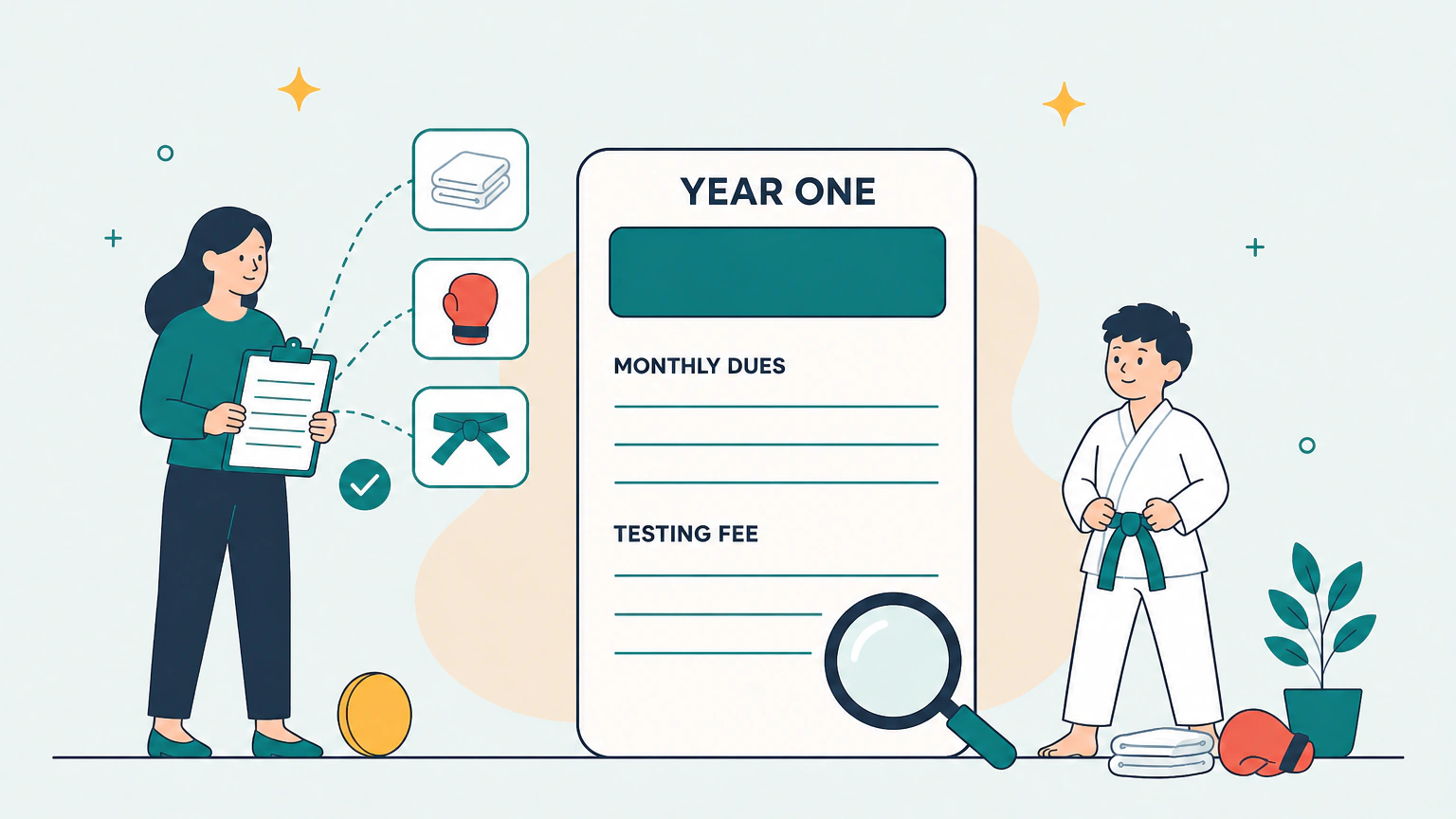
Check what is included
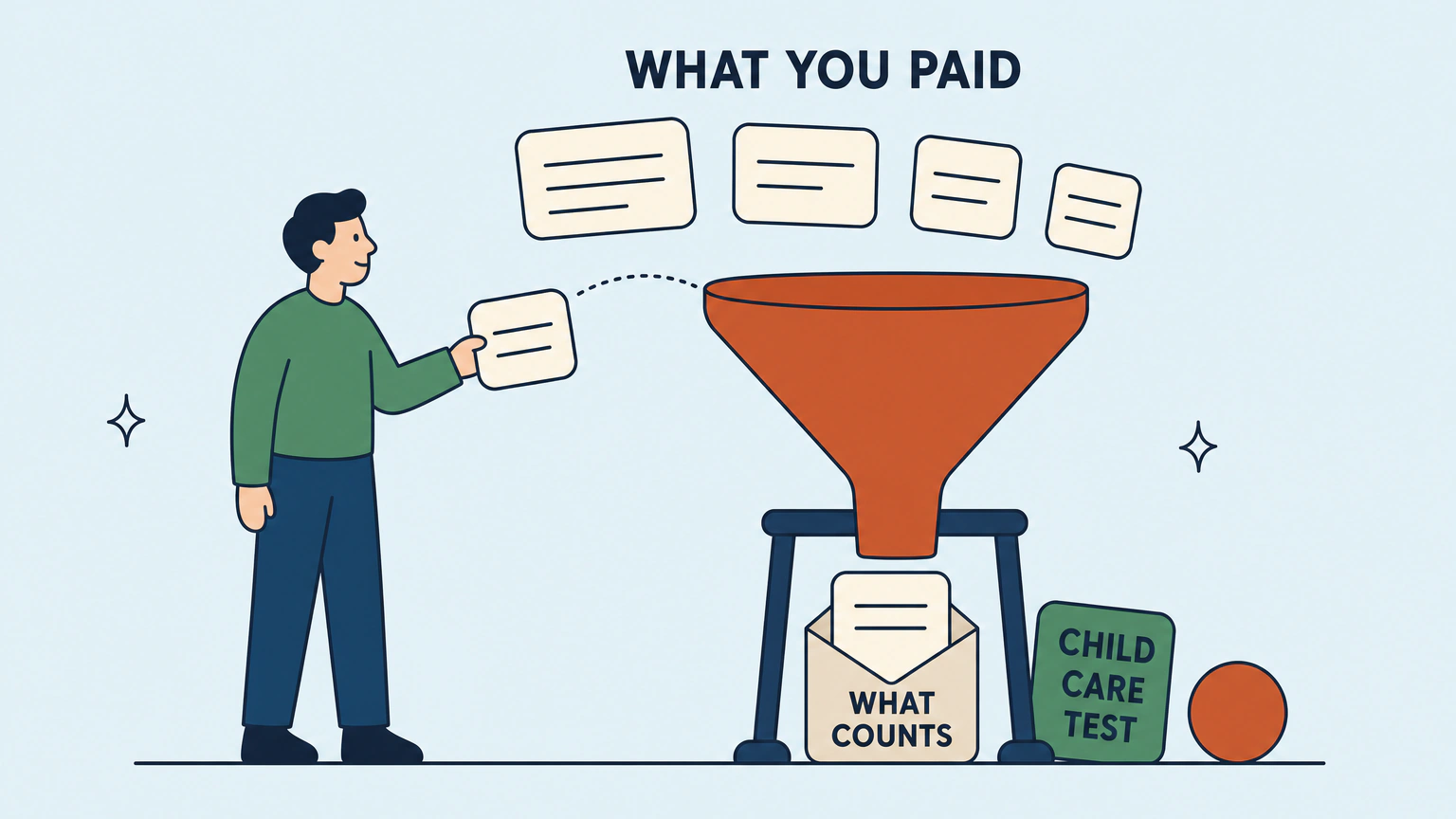
Starting equipment. Ask which uniform and protective items are compulsory, and whether branded purchases are required.
Progression costs. Check testing, belts, association dues and competition entry separately from regular tuition.
Enrollment terms. Request the first payment, minimum commitment, renewal terms and cancellation notice together.
What changes the price
Discipline and goal. Children’s development, fitness, technical sparring and competition preparation need different programs.
Usable timetable. Unlimited access may mean only a few classes suitable for your age and level.
Coach attention. Group size and instructor experience matter alongside the number of weekly visits.
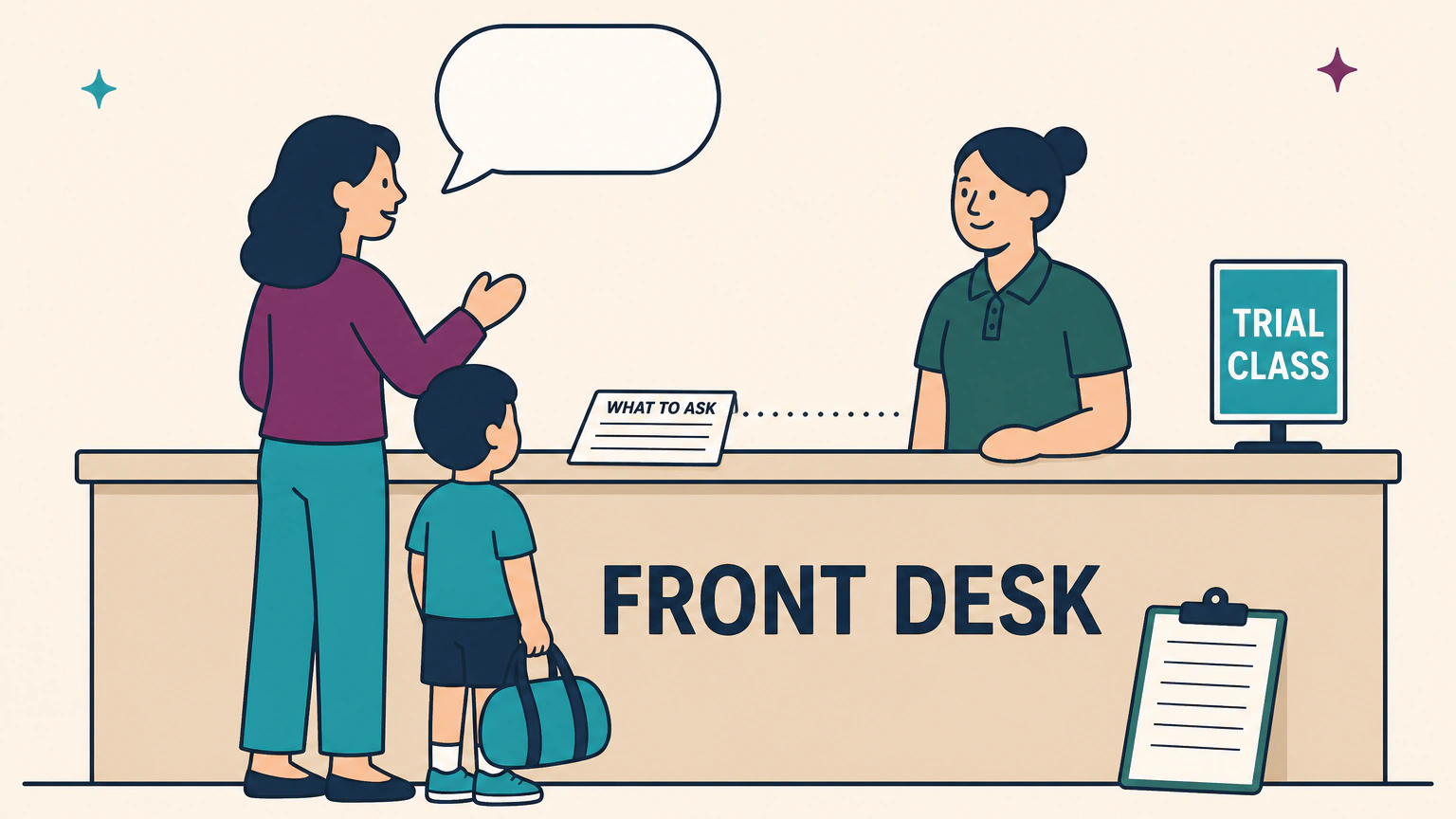
Ask before you book
- Which classes can a new student of this age and experience attend each week?
- What would I pay to start, and which additional charges are required during the year?
- Is sparring or competition optional, and does choosing it change the price?
Ways to save
Visit a beginner class in the discipline you are considering before committing. Compare plans at the same attendance level and include mandatory equipment in the starting budget.
Frequently asked questions
How do I choose between striking and grappling?
Striking arts train you to hit and to avoid being hit: boxing, kickboxing, karate and their relatives. Grappling arts take the fight to the clinch and the floor: judo, wrestling, jiu jitsu. Beginners usually pick by what they enjoy watching and by which room feels comfortable. Try a session in each before you settle.
Who will actually be teaching my class?
Ask by name. Gyms often put the founder and a long rank list on the website, then hand the beginner class to a senior student. That can work well, since a good assistant teaches the basics cleanly and patiently. What you want to know is that someone qualified is watching the room. Sit in on the exact class you would join, on the night you would join it.
What does a belt actually record?
What you covered inside that style and that organization, not a national standard. A grading is a test day: you perform the syllabus in front of an examiner who may be your own teacher or someone sent in. Ask who signs the certificate and whether it means anything if you move away. Some clubs grade in house, others send students to a national body.
Do beginners have to spar right away?
Not at a sensible gym. The usual order is pad work, then light drills with a partner who controls the pace, then contact once your defense is more than a guess. Ask what protective gear is expected on sparring nights and who you would be paired with. A gym where everyone spars from the first week suits some people and quietly loses the rest.
What checks apply to instructors who teach children?
Rules for screening adults who teach children differ from one state to the next. Some states want fingerprint-based checks, others leave the decision to the gym, so ask what this one runs and how often. Then ask about the mat itself: who supervises when a child is paired with a bigger student, whether parents can sit and watch, and how the changing area is handled.