Overview: Piano Lessons
Most piano teaching happens in a front room with an upright against the wall and a metronome sitting on top of it. Some of it happens in a music school with a corridor of practice rooms and someone at a desk. Both work.
What decides whether lessons work is what the student goes home to. Practice between lessons is the whole game, and a student with no instrument cannot practice. A digital piano with weighted, full-size keys and a sustain pedal is a fair starting point, and most teachers will say so. An acoustic upright feels different under the fingers, needs tuning, and needs a wall to live against. Ask the teacher what counts as a workable instrument before you spend anything.
Teachers also differ in what they teach from. Some start with classical repertoire, scales and sight reading, and stay there. Others build from chords and songs the student already likes, and bring reading in later. Neither is a lesser road. Graded exams are one option among several rather than the default, and plenty of students play for years without sitting one.
Start with your state below, then your city, and the studios listed there come up with their hours and review quotes.
Cost of piano lessons
Start with the monthly cost of regular tuition and the instrument needed for home practice. Compare lesson lengths separately, or consider a complete beginner group course if the format suits you.
| Option | Estimated cost | What to compare |
|---|---|---|
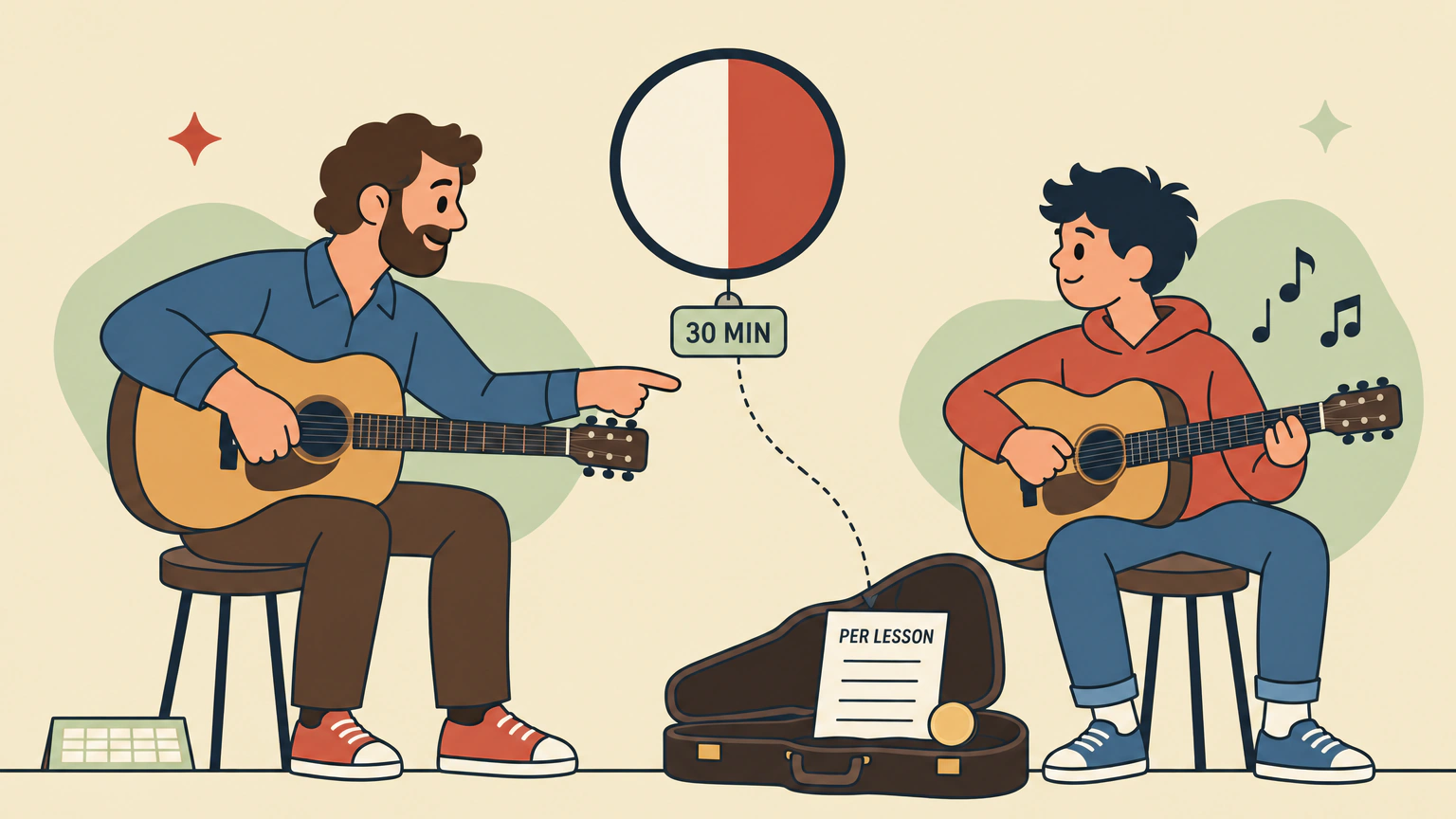
| 30-minute private tuition | $30–$60 per 30-minute lesson | One student with a teacher at the studio. Enrollment, instruments, materials and recitals may cost extra.Monthly or term enrollment may be required; confirm the full initial bill. |
| Weekly 30-minute lessons | $150–$240 per monthly payment | One private lesson each teaching week on the school calendar. Monthly payments may spread annual tuition over the year.Confirm teaching weeks, withdrawal notice and required enrollment or materials fees; four lessons are not guaranteed every calendar month. |
| 45-minute private tuition | $45–$90 per 45-minute lesson | One student with a teacher at the studio. Enrollment, instruments, materials and recitals may cost extra.Monthly or term enrollment may be required; confirm the full initial bill. |
| 60-minute private tuition | $60–$115 per 60-minute lesson | One student with a teacher at the studio. Enrollment, instruments, materials and recitals may cost extra.Monthly or term enrollment may be required; confirm the full initial bill. |
| Eight-class beginner piano course | $195–$360 per person per eight-class course | Eight adult beginner group meetings of 45–60 minutes; confirm access to a keyboard during class.Books and a home-practice instrument may be extra; ask whether students share keyboards. |
| Live online private tuition | $60–$115 per 60-minute lesson | One student with a live teacher. A suitable home setup and internet connection are needed.Recurring enrollment may be required; home instruments and materials are separate. |
Plan your total cost
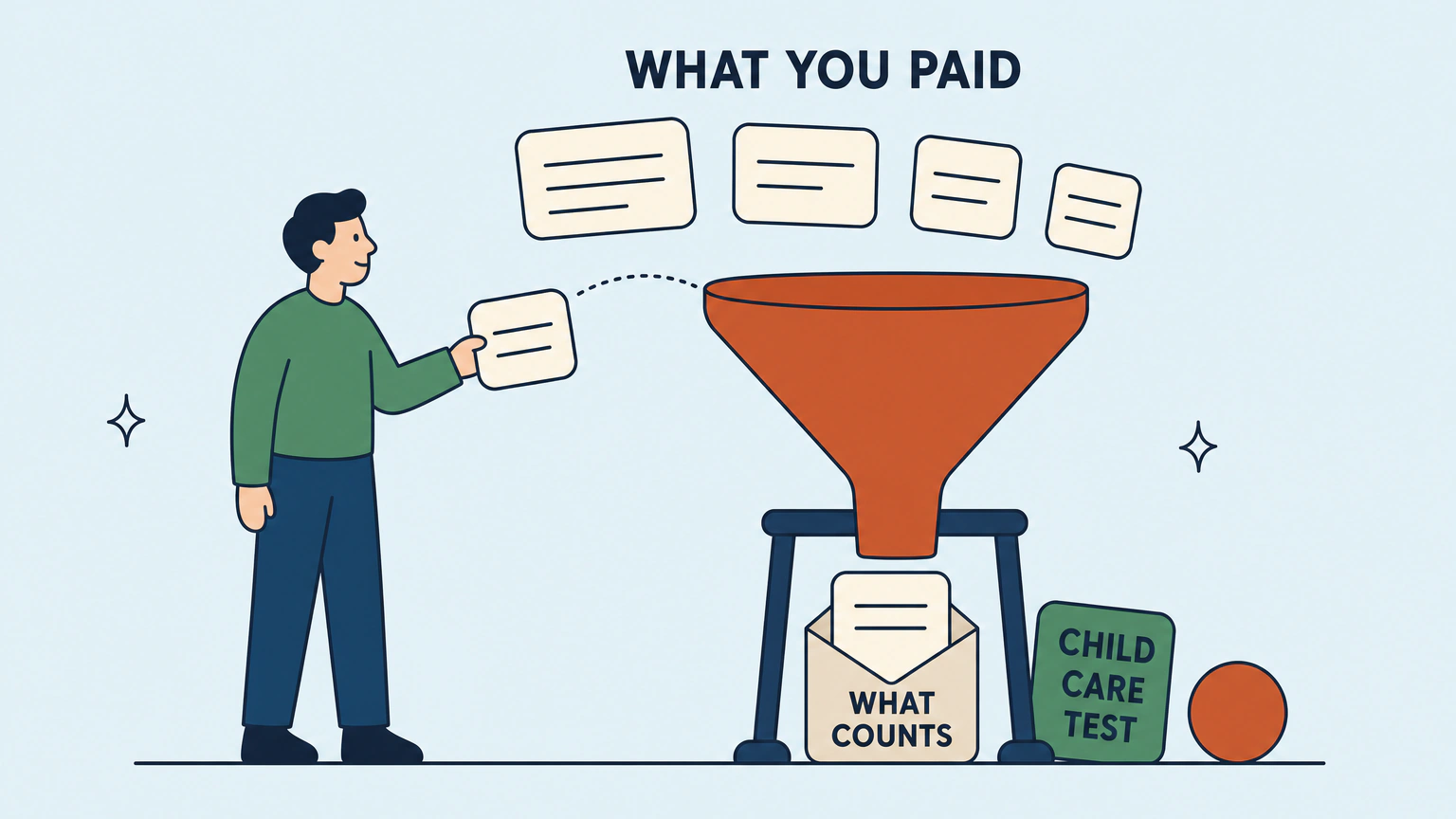
Check what is included
Home instrument. Ask which keyboard features are required at this level before renting or purchasing.
Learning materials. Check required books, theory classes, apps and exam or recital charges.
Enrollment calendar. Find out whether monthly payments are annual installments and how holidays affect lessons.
What changes the price
Taught minutes. Longer lessons provide more individual time; compare equal durations and teaching goals.
Learning format. A keyboard group, partner course and private lesson offer different individual attention.
Included support. Ask whether theory, performance preparation and feedback between lessons are part of tuition.
Ask before you book
- What minimum keyboard or piano setup will support practice at this level?
- What is the full enrollment commitment, and how many taught lessons does it cover?
- Does a group course provide a keyboard for each learner, and which materials are required?
Ways to save
Have the teacher approve a beginner keyboard setup before a major instrument purchase. Compare a short group course with private enrollment using the complete tuition and materials bill.
Frequently asked questions
Do we need a piano at home before starting?
You need something with keys before the second lesson, and most teachers will say so on the first call. A digital piano with weighted, full-size keys and a sustain pedal is a fair start. A small keyboard with light springy keys teaches the fingers the wrong thing, because the touch is nothing like a piano. Borrowing or renting one is normal while you decide.
Digital piano or an acoustic upright?
A digital stays in tune, has a volume control and takes headphones, which matters in an apartment and late in the evening. An acoustic upright gives the resistance and the range of tone the music was written for, and it needs tuning as the seasons turn. Many students begin on a decent digital and move across later. Take your teacher along before you buy anything used.
Are graded exams worth entering?
They are optional. An exam hands a student a syllabus, a date and an outside opinion, which some children rise to and others dread. Many teachers here use local festivals, studio recitals or a conservatory-style assessment instead, and plenty never enter anyone for anything. Ask what the teacher does with a student who is not exam-minded, because that answer tells you how they teach.
What does practice between lessons look like?
Short and often beats one long session the night before, and any teacher can hear the difference. Expect a written note of what to work on: a scale, a passage with the fingering marked, a piece taken in sections rather than end to end. Younger children usually need an adult sitting nearby to keep it moving. The lesson corrects the practice; the practice builds the playing.
What if a recital terrifies my child?
Say so early, before you enroll. Some studios hold a formal recital in a hired hall, some do a living-room playthrough for parents, and some hold nothing at all. Ask which it is. A teacher who insists a frightened child performs anyway is telling you something about the studio. Playing a piece to one familiar adult is a reasonable step for a nervous student.
What should I expect from a lesson in someone's home?
Most private teaching happens in the teacher's house, with the piano in a front room and the parent welcome to sit in. Ask whether you can stay, and ask who else is home while lessons run. Screening for adults who teach minors is set state by state here, so ask what this teacher has actually done rather than assuming a single standard applies.