Overview: Yoga Classes
The schedule taped to the studio door says vinyasa, hatha, yin and hot, and none of those words tell you which class you can survive on a Tuesday after work. Yoga is not one thing. The gap between a slow restorative hour and a heated flow class is the gap between a nap and a fight.
A flow class links postures to breath and keeps moving. Hatha holds each asana longer and gives you time to think about it. Restorative and yin ask you to stay still while props hold you up. Hot yoga adds a heated room, which suits some bodies and floors others. Most studios run several of these under one roof, so read the schedule rather than the sign outside.
All levels means the teacher offers options. It does not mean a beginner will feel comfortable. Look for a studio that puts blocks and straps by the door without being asked, that explains what is coming before class starts, and that lets you lie in savasana at the end without hurrying you out. Ask where the teacher trained and how long they have been teaching.
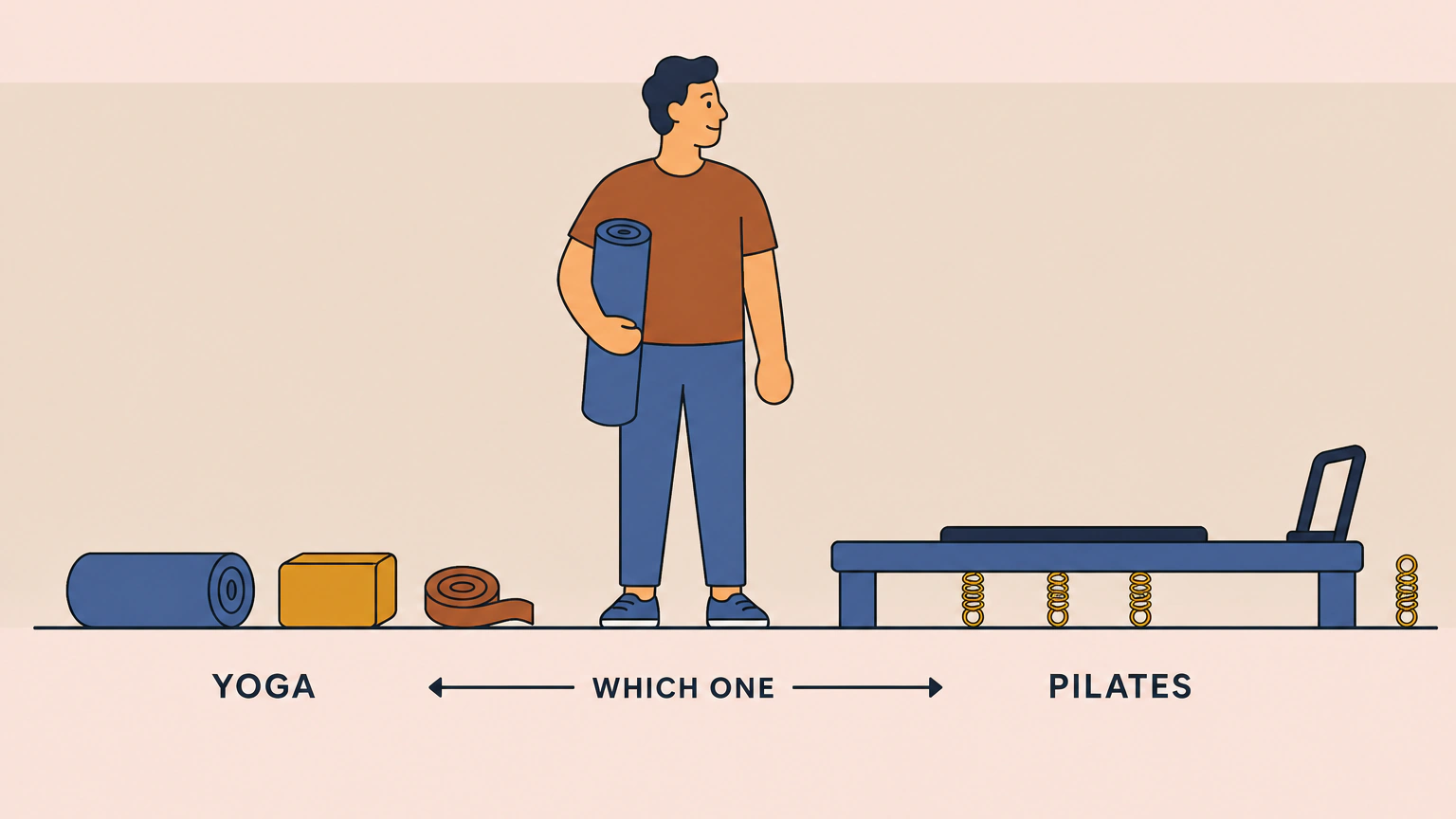
Pilates, barre, aerial yoga and meditation have their own listings on our site. The state and city lists below reach the yoga studios near you, and each city page carries hours and quotes from local students.
Cost of yoga classes
Start with the way you will practice: occasional studio visits, a regular schedule, individual guidance or classes at home. Compare the full purchase and cancellation terms as well as the class price.
| Option | Estimated cost | What to compare |
|---|---|---|
| Studio group class | $15–$35 per person / class | One regularly scheduled class; check its length, level and whether mat rental is extra. |
| Ten-class studio pack | $130–$270 per person / pack | Ten prepaid group classes, paid as one purchase.Check expiry, sharing rules and whether every class on your preferred schedule accepts the pass. |
| Unlimited studio membership | $95–$180 per person / month | Recurring access to regular group classes; specialty workshops may be separate.Check enrollment fees, minimum months, cancellation notice and any booking limits. |
| Private yoga, 60 minutes | $75–$155 per 60-minute lesson | An individually booked session for your goals.Confirm whether the quoted fee covers one learner, a partner, studio use or instructor travel. |
| Live online group class | $10–$20 per person / class | A scheduled class with an instructor.Check whether the teacher offers individual feedback and whether a replay is included. |
| Recorded classes or app | $15–$40 per month | Self-guided library access on a monthly plan.A lower advertised monthly equivalent may require paying for a full year. |
Plan your total cost
Check what is included
First visit. Check mat or towel rental, enrollment charges and any required introduction.
Usable access. Confirm class length, booking availability and what the pass excludes.
Unused classes. Check expiry, late-cancel charges, freezes and refunds.
What changes the price
Teaching format. Private attention, a live group and recorded classes provide different levels of support.
Practice frequency. Compare the visits you can actually attend within the billing or expiry period.
Special requirements. Small classes, specialist instruction and travel can change the quote.
Ask before you book
- What will I pay to start, including required equipment or enrollment fees?
- Which classes can I book, and how long do my credits last?
- Can I pause or cancel, and what happens to missed or unused classes?
Ways to save
Try a suitable class before buying a pack. Compare the full pack or membership cost with your realistic attendance; unused credits reduce the saving.
Frequently asked questions
Which style should a beginner start with?
A slow hatha or a class labeled foundations or beginners. You want a teacher who names each posture, walks around the room, and gives you time to get in and out of things. Flow classes move at a pace that assumes you already know the shapes. Come back to those once you can follow a sequence without watching the person in front of you.
Who should avoid a heated room?
Anyone pregnant, anyone with heart or blood pressure issues, and anyone who has fainted in heat before should talk to a doctor first. Heat makes you feel more flexible than you are, which is how people overstretch. If you go, drink water through the day beforehand rather than gulping it in the room, and leave if your head swims.
What do I need to bring?
Clothes you can bend in and a water bottle. Most studios lend or rent mats, and almost all of them stock blocks, straps and bolsters. Bare feet are normal. If you sweat heavily or you are going into a hot class, a towel over the mat stops you sliding. Call ahead if you want to borrow rather than buy.
Drop in, or sign up for a course?
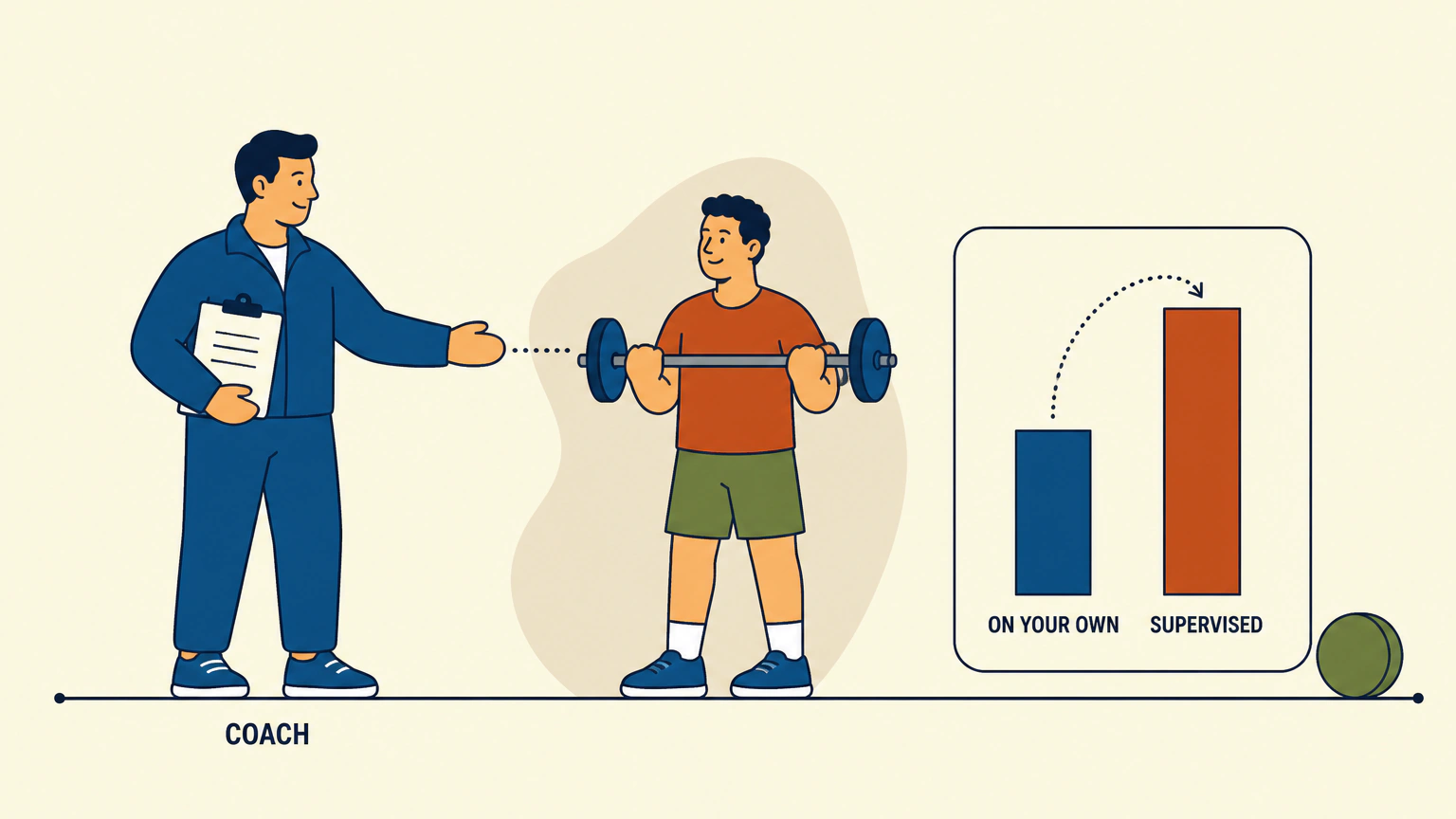
A course that runs as a block teaches you more, because the teacher builds on what the same room did last week. Drop-in classes have to start from scratch every time and pitch to whoever walks in. If your schedule is unpredictable, drop in. If you want to actually learn the postures, find a beginners course with a start date.
How do I tell whether a teacher is trained?
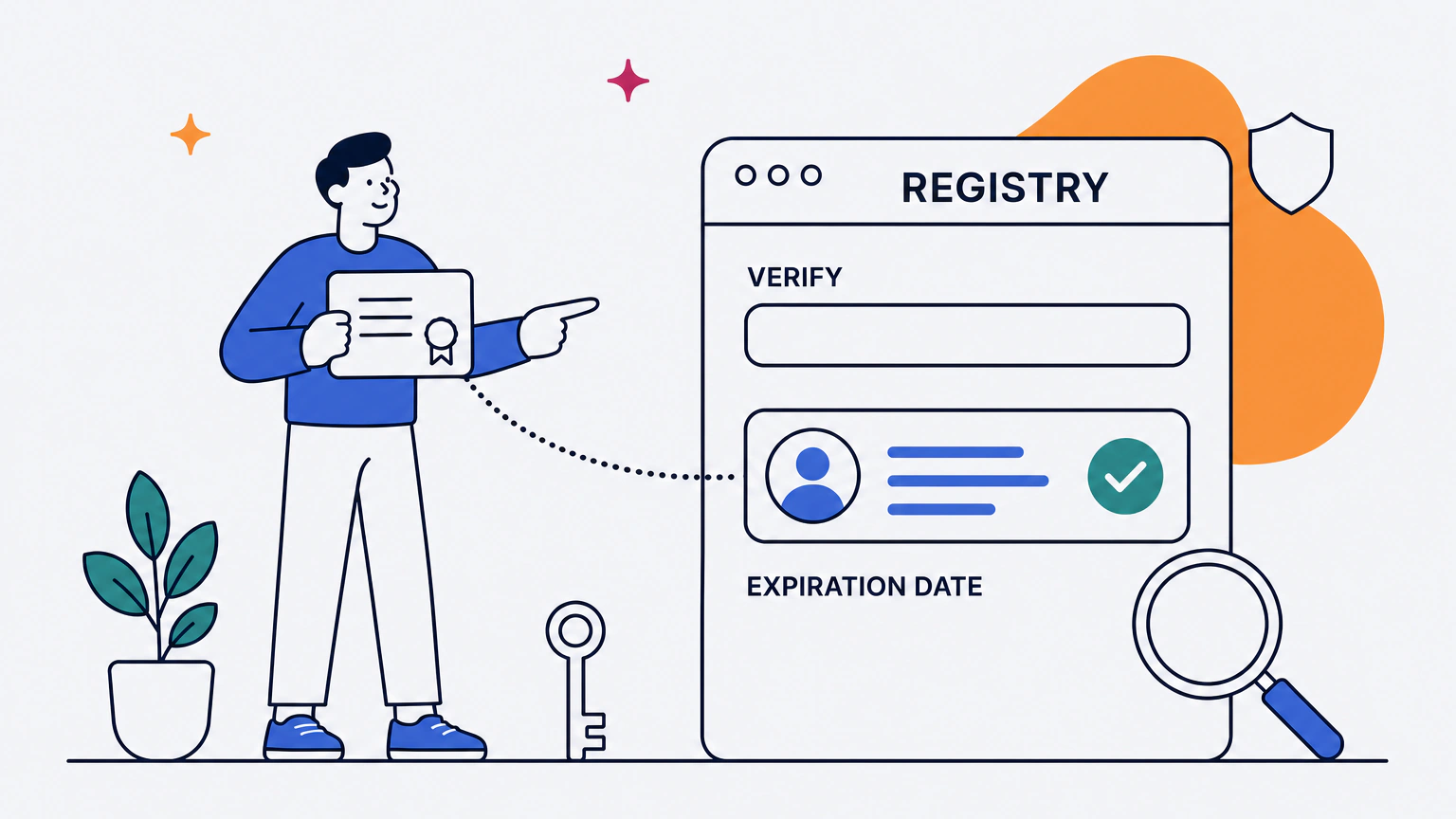
Ask where they trained, with whom, and what they have done since. Teacher training in this country is not licensed by any government body, so the register a studio names is a voluntary one. That does not make it worthless. A teacher who keeps studying, and who says plainly when something is outside what they teach, is telling you more than any logo on the wall.
Do studios run classes for children?
Some do, usually as short playful sessions rather than adult postures made smaller. If you are leaving a child there, ask who is in the room with them, whether an adult stays, and what screening the studio runs on teachers. Requirements for people working with minors are set state by state, so ask the studio what its own policy covers.